Introduction

When Tommy and Joan Finn set out to build their forever home in Ballymote, Co. Sligo back in 2018, they had a clear vision: create a comfortable, future-proof home that would combine modern living with long-term energy efficiency. Their main priority was to have a "a low running cost house"

Having previously lived in a 200-year-old property, they wanted a home that would be bright, practical and easy to maintain in later years, with ground-floor accommodation providing additional convenience and accessibility to serve them in later life. They were also keen to achieve a more comfortable and consistent indoor environment than they had experienced in their previous home. As Joan recalls, their former house "was warm, but it wasn’t a constant heat."
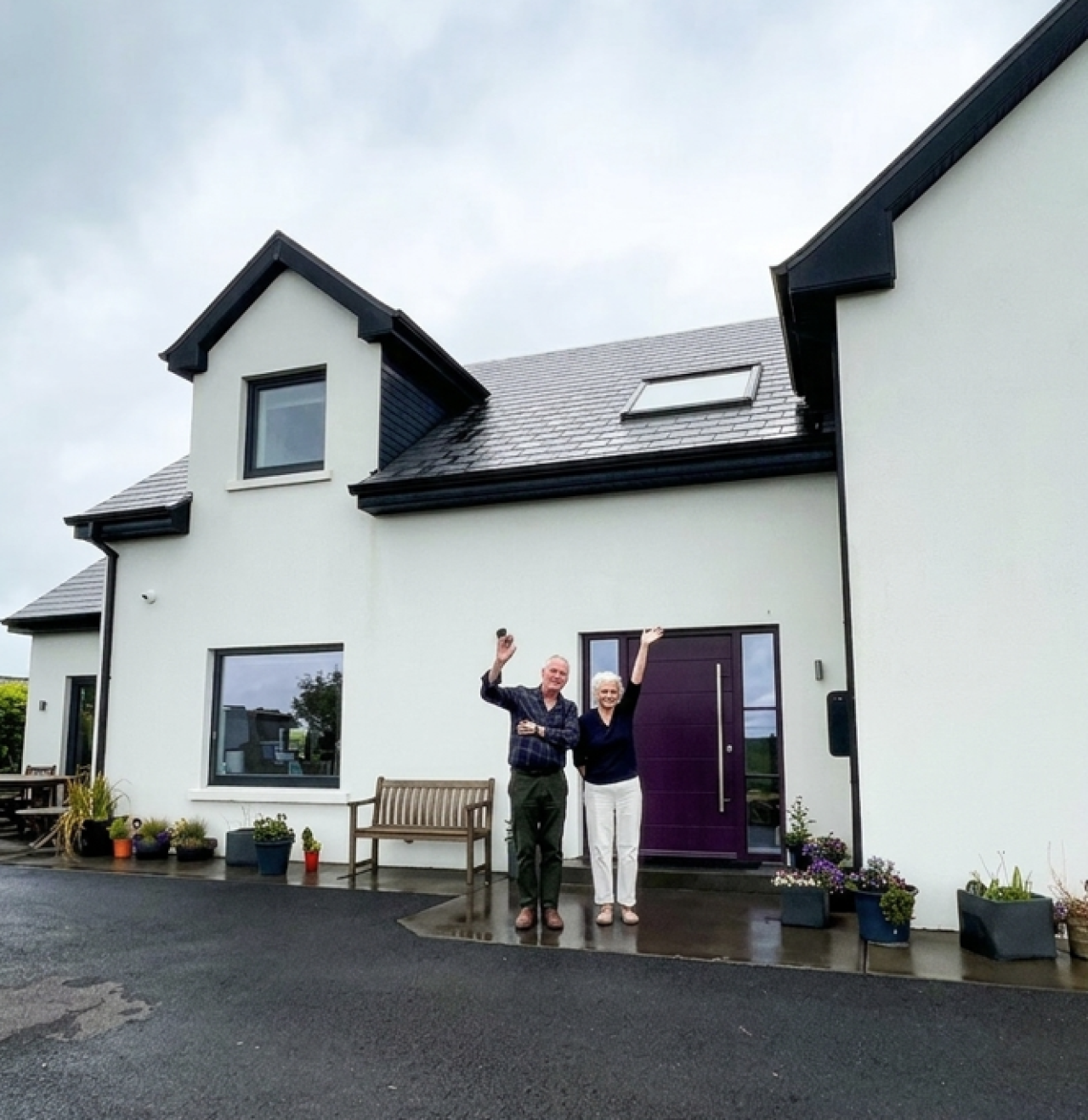
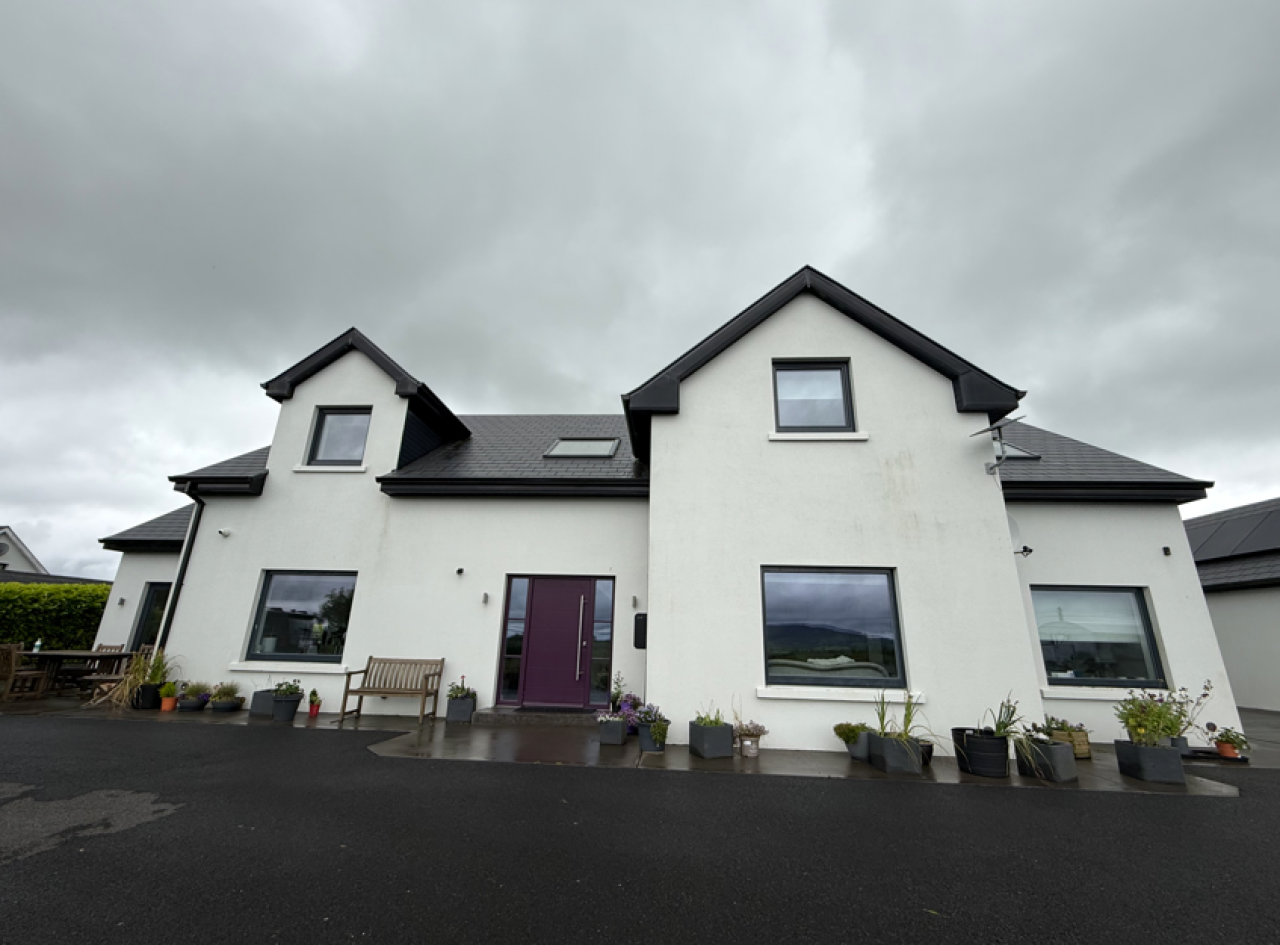
Tommy & Joan Finn

For Tommy, owner of Finn Heat Pumps Ltd and a specialist installer who has worked with Mitsubishi Electric heat pump technology for decades, the project also presented an opportunity to put his experience into practice in a project close to his heart. By combining Mitsubishi Electric Ecodan heat pump technology with Solar PV and battery storage, Tommy and Joan created a home that delivers exceptional comfort while giving them complete control over their energy costs.

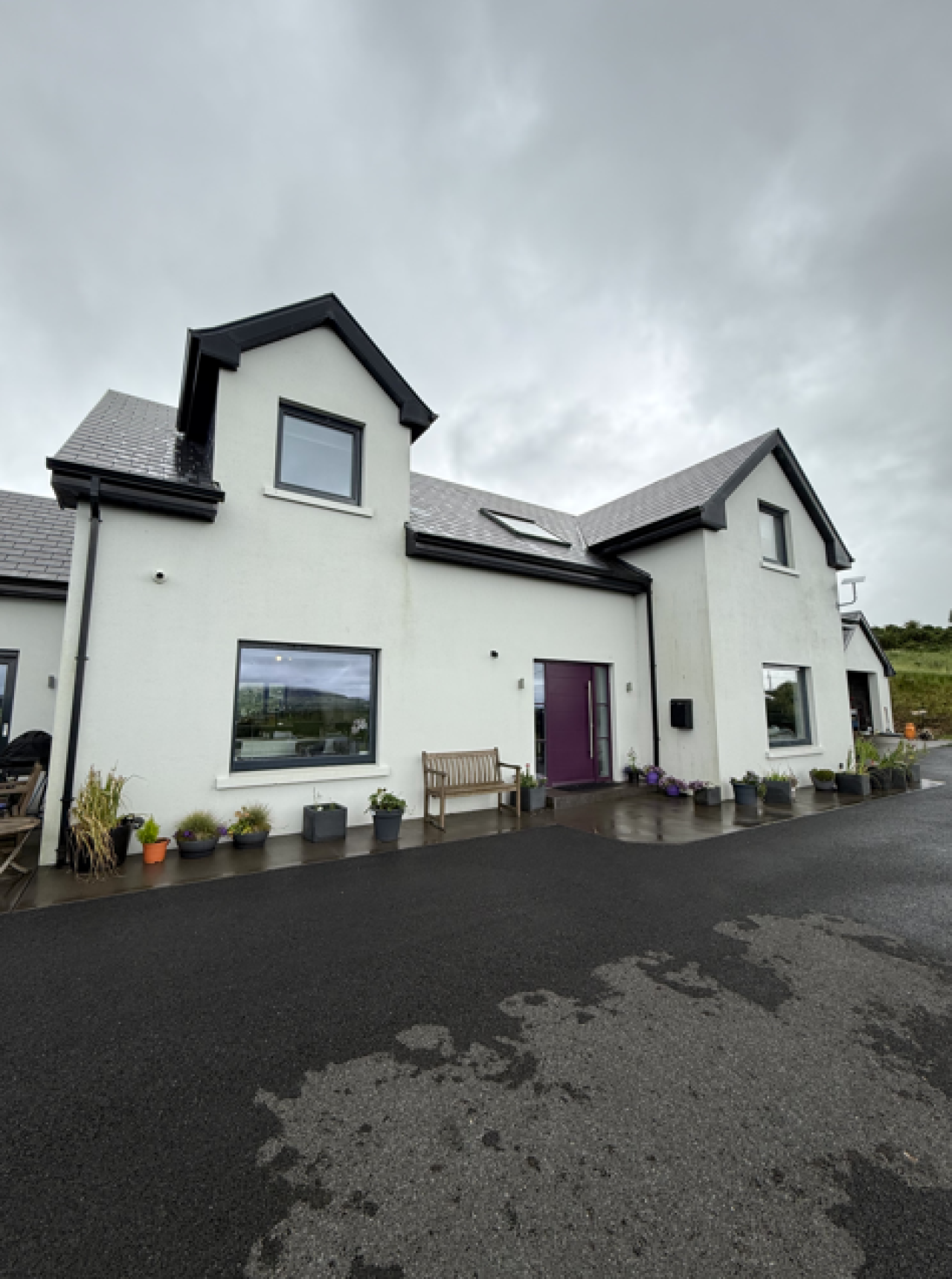
The Finn Household

Challenge

Like many homeowners, Tommy and Joan wanted to protect themselves from rising energy costs without compromising on comfort. Prior to moving into their new build in 2018, they were determined to install a future-proof heating system that would operate efficiently year-round and make the most of renewable energy. The 260m², four-bedroom property was designed to be highly insulated and airtight, but its exposed location presented additional challenges. Subject to strong winds and heavy rainfall, the site demanded a heating solution capable of maintaining consistent comfort regardless of the weather outside.

At the same time, electricity prices were becoming increasingly unpredictable, reinforcing the importance of energy independence. Tommy and Joan wanted a system that would not only minimise running costs but also maximise self-sufficiency, reduce reliance on fossil fuels, and deliver reliable, long-term performance.

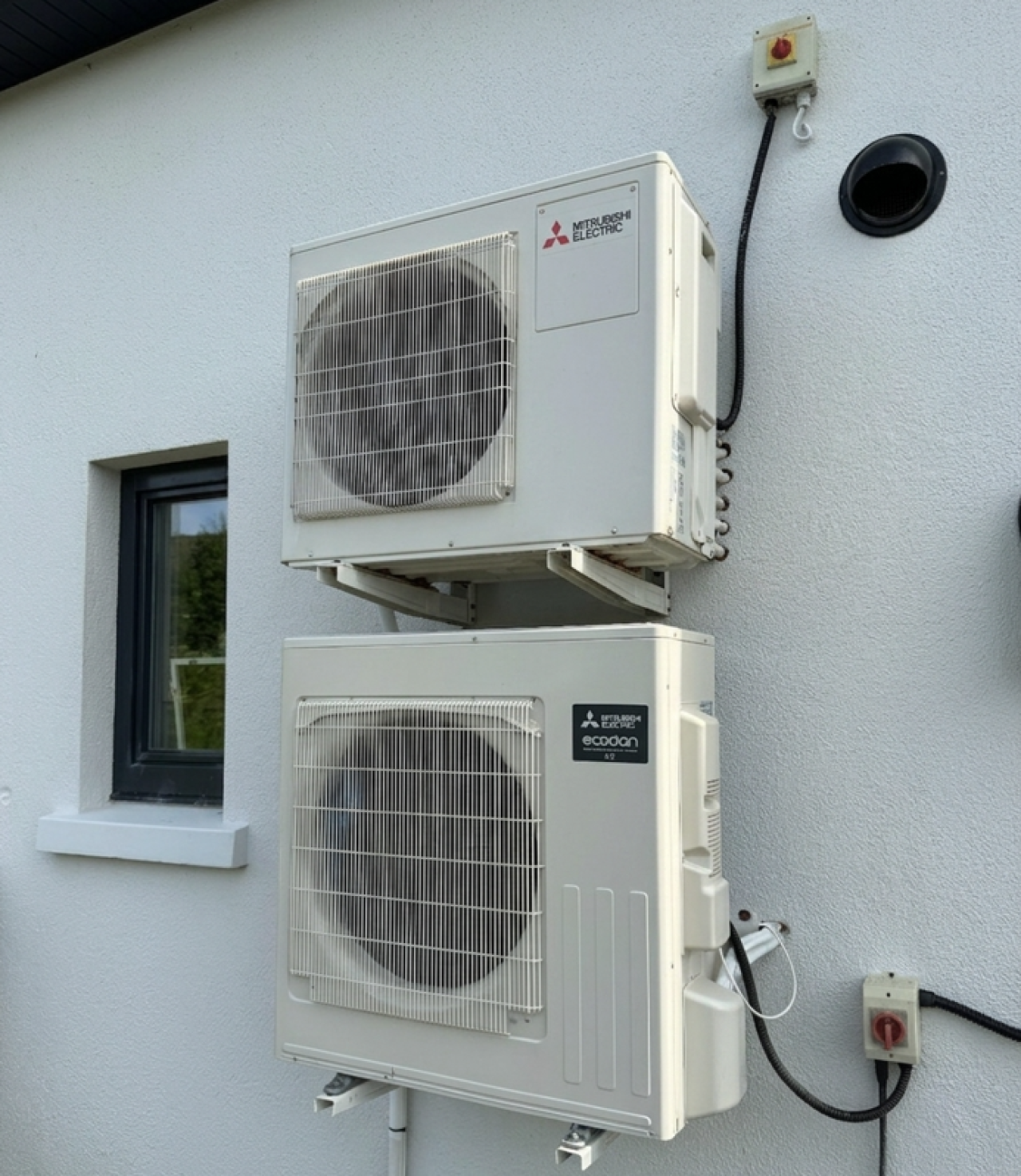
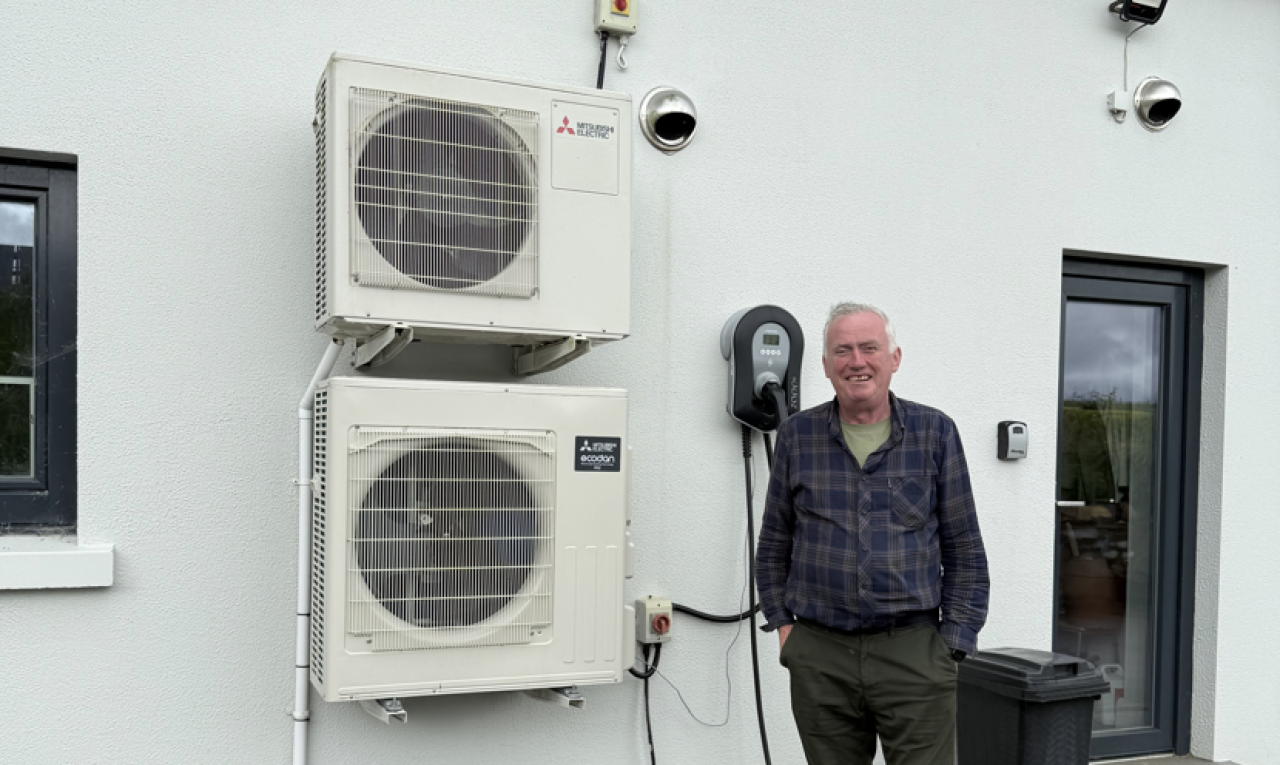
Outdoor Units for the Heat Pump and AC


Electricity Bill (€) between December 2024 - May 2026


Solution

Drawing on his experience installing Mitsubishi Electric heat pump systems across Ireland, Tommy Finn designed the system combining Mitsubishi Electric heat pump technology with solar PV and battery storage to deliver year-round efficiency and long-term energy independence.

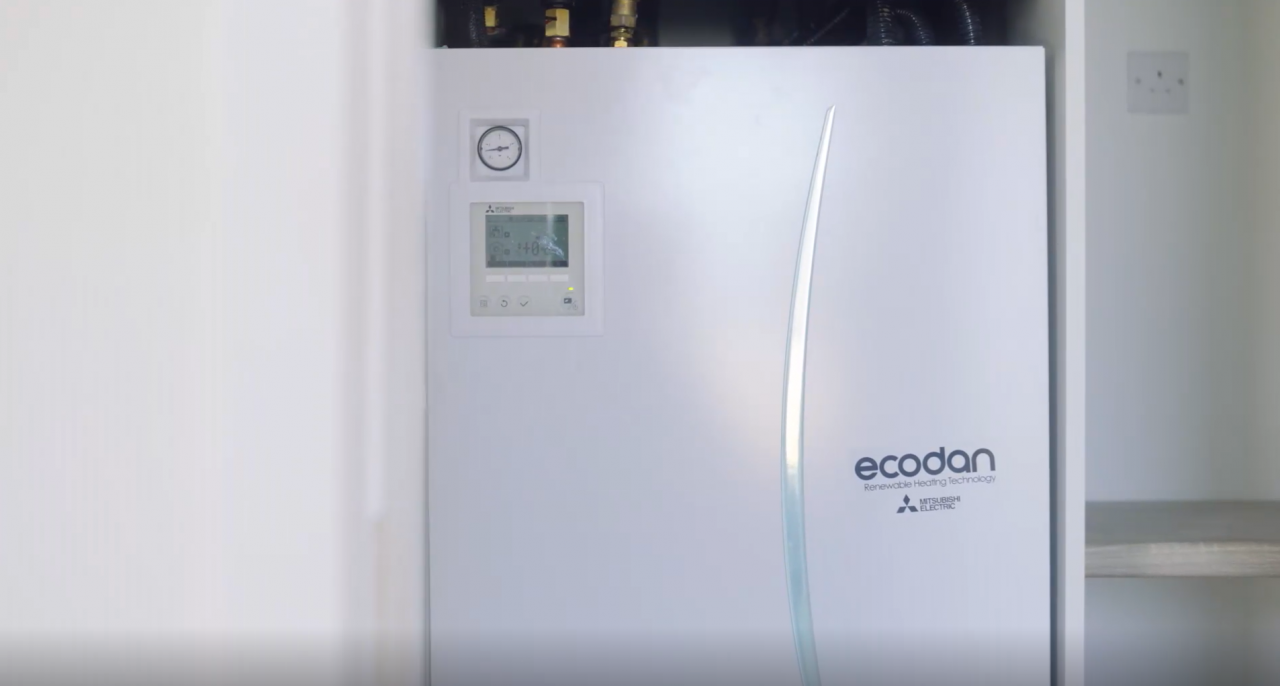
At the heart of the system is a Mitsubishi Electric Ecodan air-to-water heat pump, providing both space heating and hot water throughout the home. The heat pump operates using weather compensation, automatically adjusting temperatures in response to outdoor conditions to maintain comfort while maximising efficiency.

The heat pump is paired with 20 loops of underfloor heating across both the ground and first floors, providing an efficient and responsive heat distribution system throughout the property.

NTMK Indoor Unit

To further enhance comfort and flexibility, a Mitsubishi Electric Multi-Split Air Conditioning System was also installed, providing additional heating and cooling where required.

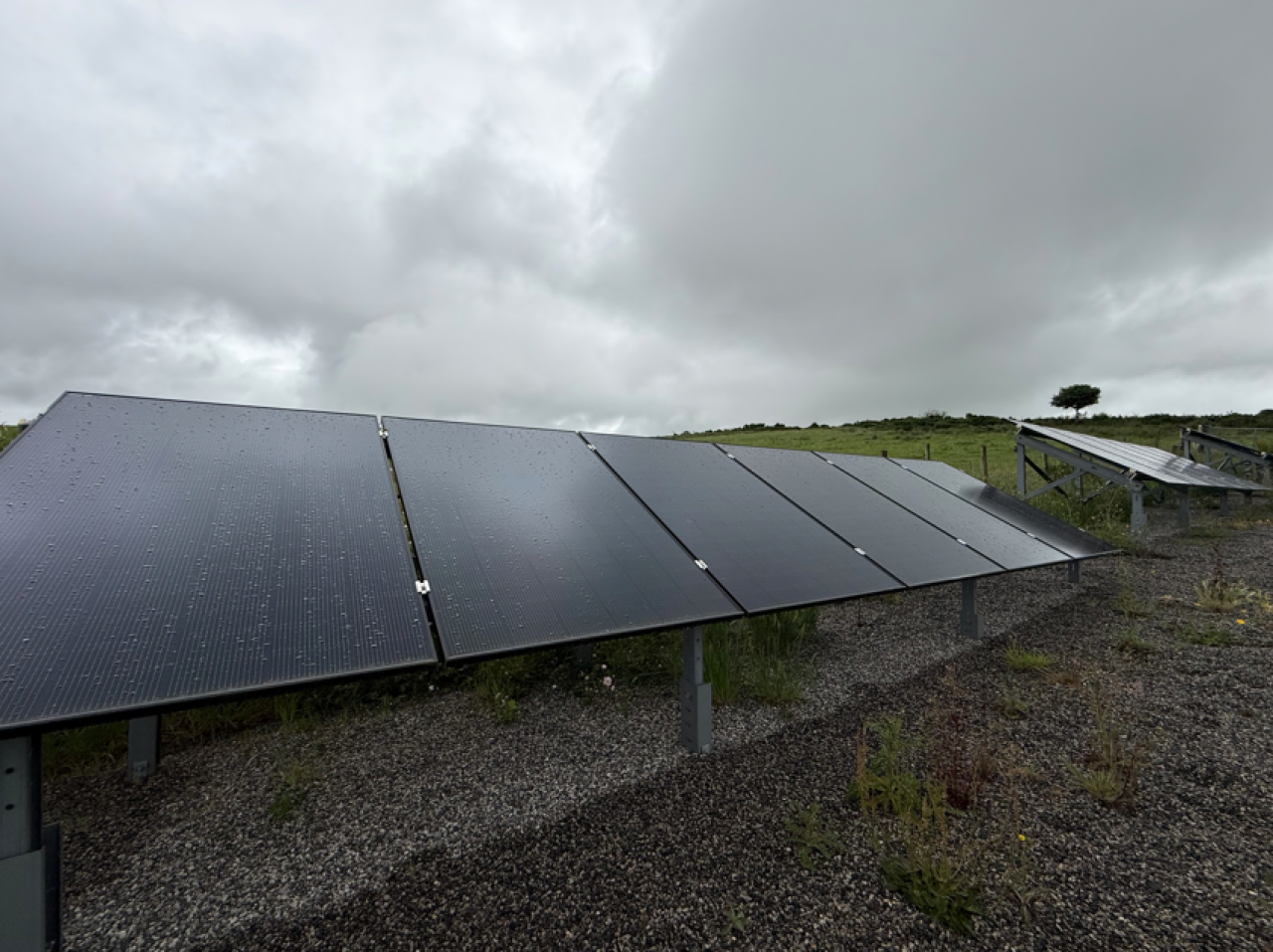
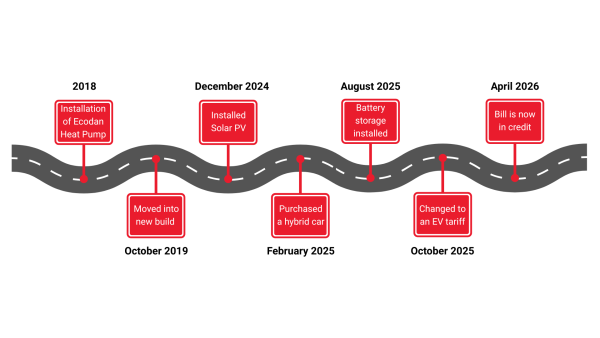
Having experienced the benefits of living with a heat pump for several years, the Finns expanded their renewable energy strategy in 2023 with the installation of a 7.8kW solar PV array. As Tommy explains, "we went down the solar route because we could see straight away that solar would suit a house that is totally heated by electricity."

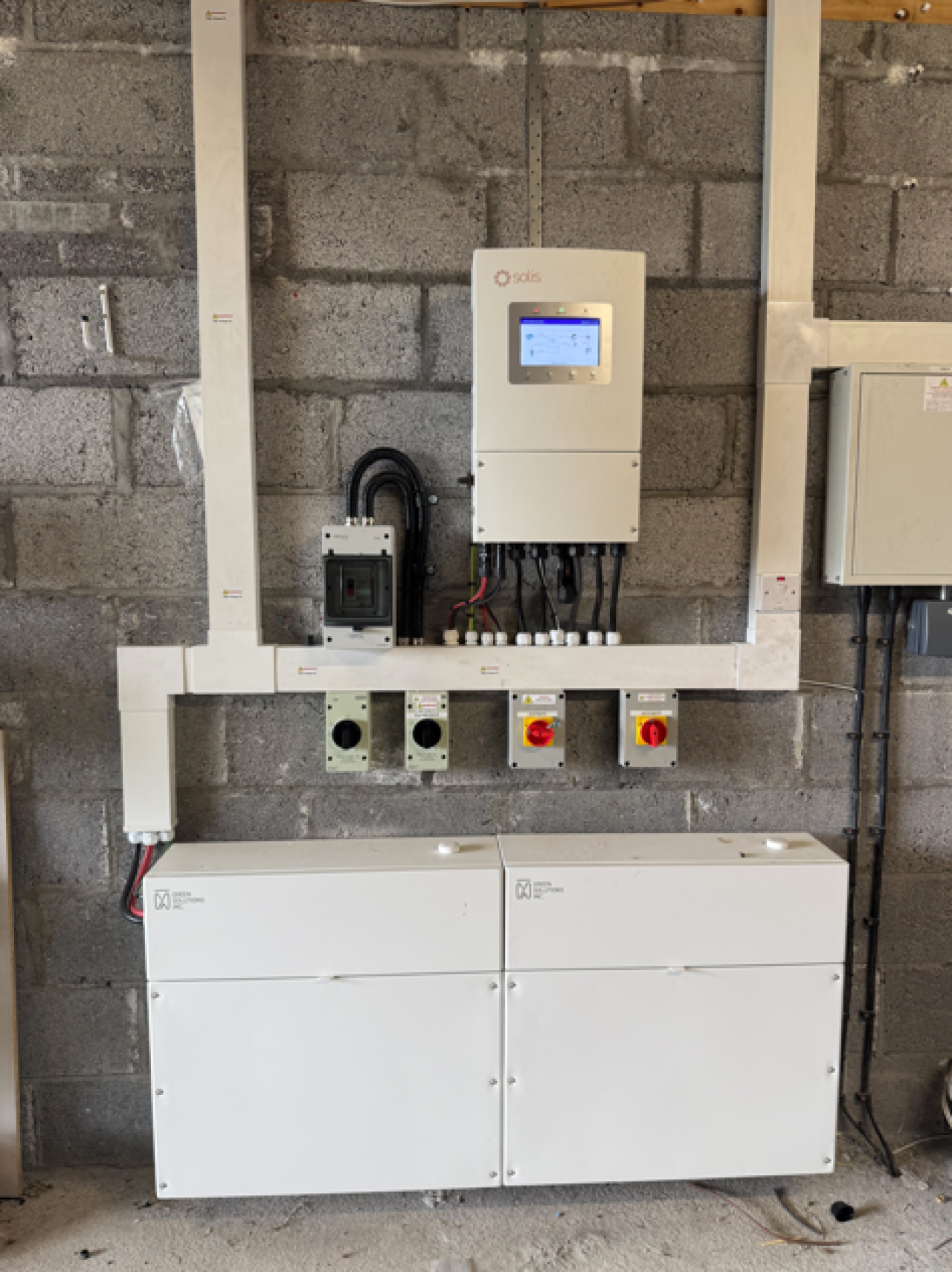
The system was further enhanced in 2025 with the addition of 24kWh of battery storage, enabling excess solar energy to be stored for use when solar generation is lower and further reducing reliance on grid electricity.

Solar panels

To maximise savings, the homeowners also switched to an EV electricity tariff, allowing both their batteries and hybrid vehicle to charge overnight at significantly reduced electricity rates before supplying power to the home during the day.

The result is a highly integrated energy solution that combines Mitsubishi Electric heating and cooling technologies with renewable energy generation, battery storage and intelligent energy management, delivering comfort, efficiency and greater energy independence throughout the year.

Battery storage

Amount of electricity (kW) generated by the homeowner's solar panels. Notice how solar generation peaks during the brighter spring and summer months, before naturally declining as daylight hours shorten throughout autumn and winter.

Results

The integrated energy system has delivered exceptional comfort, sustainability and financial benefits for Tommy and Joan.

At the heart of the home is the Mitsubishi Electric Ecodan heat pump, which maintains a steady indoor temperature of 22°C throughout the heating season, from October to March, while producing approximately 200 litres of domestic hot water each day.

For Tommy, the consistent comfort is one of the most noticeable benefits. "The whole house just runs at the one temperature," he says. As an all-electric home, the property requires no oil, gas, open fires or solid fuel appliances, significantly reducing carbon emissions while eliminating reliance on fossil fuels.

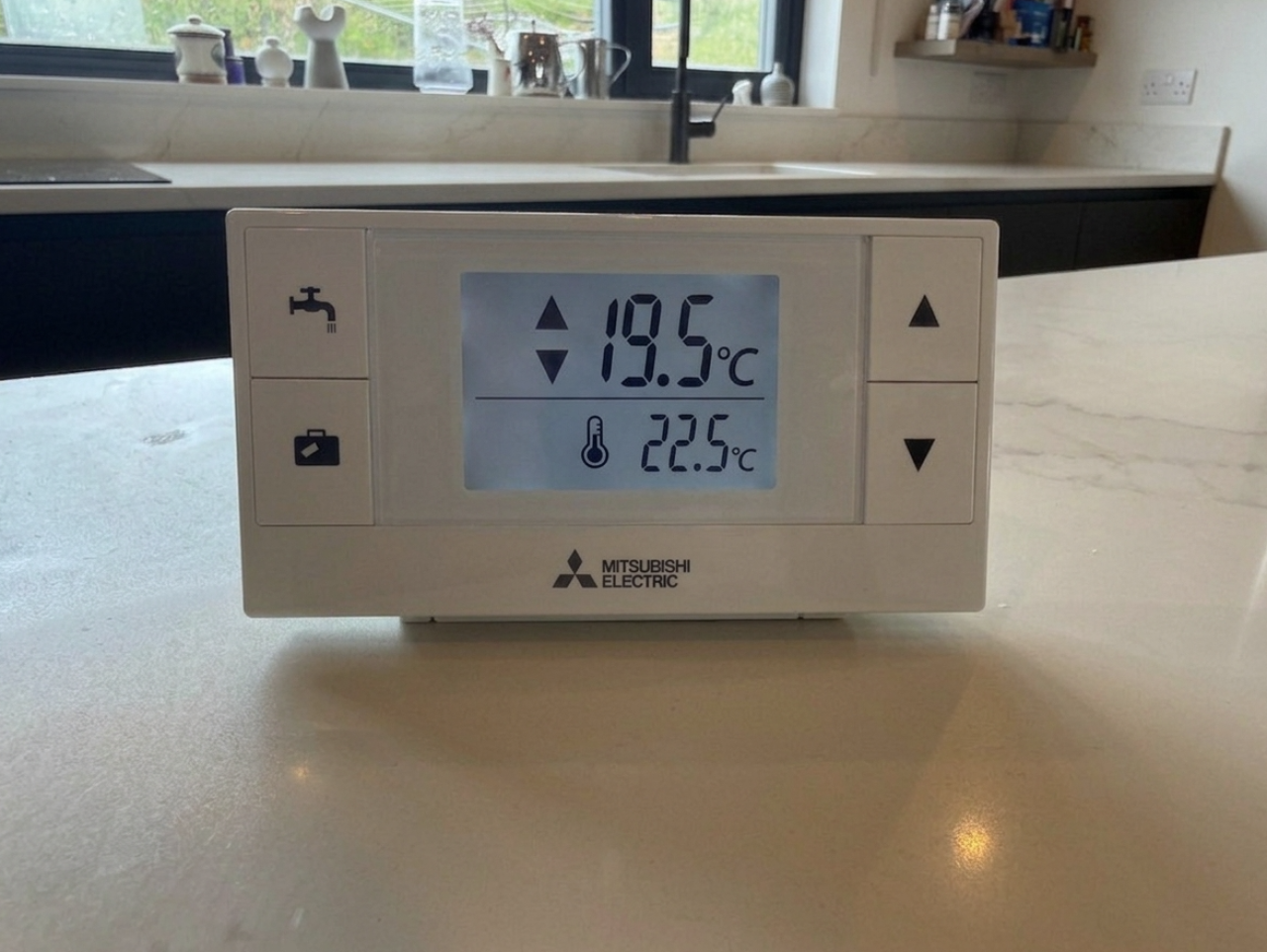
Controller

A breakdown of the electricity generated by the homeowners’ solar panels, showing the amount used in the home and the amount exported to the grid.

The combination of heat pump technology, Solar PV generation and battery storage has transformed the home's energy profile. Following the installation of battery storage and the expansion of the solar array, system performance improved even further. During April and May 2026 alone, the home purchased just 505kWh of electricity while exporting 1,214kWh back to the grid, resulting in a net credit position with the utility provider.

Tommy has been particularly impressed by the impact of the battery system. "When the batteries were fitted last year, we reached the point where no electricity was being taken from the grid, everything was running on solar," he explains.

The intelligent energy management strategy further enhances the financial benefits. Batteries are charged during low-cost overnight EV tariff periods at 0.11kWh, while surplus solar electricity can be exported to the grid at approximately €0.18/kWh. This maximises the value of every unit of electricity generated and consumed.

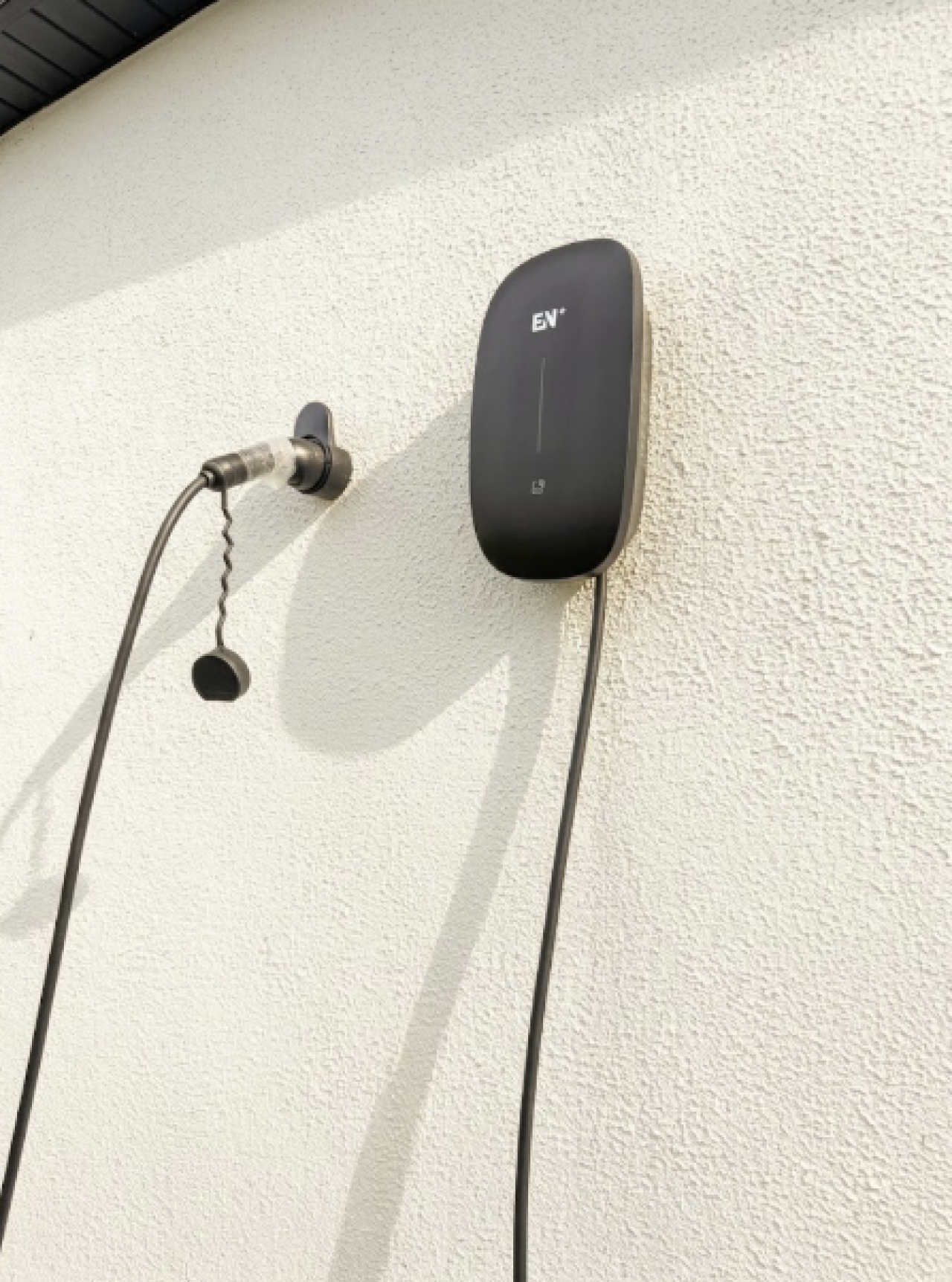
Electric Vehical Charger

The reduced running costs have changed the way the family uses energy day-to-day. "Nobody stops anyone from turning on a tumble dryer anymore," Tommy jokes. Looking ahead to the summer months, he adds, "We won't have bills."

In addition to reducing costs, the system also improves energy resilience. In the event of a power outage, the battery storage system can be charged via a generator, ensuring continued comfort and operation during grid disruptions.

For Joan, however, the greatest benefit is the comfort of the home itself. Reflecting on what the house means to her, she says: "I'll drive anywhere, once I can come home. I always want to come back here." It's a testament not only to the efficiency of the technology, but to the warm, comfortable living environment it has helped create.

Tommy Finn with the Outdoor Units

Conclusion

For Tommy and Joan Finn, this project demonstrates what is possible when heat pump technology, renewable generation and intelligent energy management are designed to work together.

By combining a Mitsubishi Electric Ecodan heating, Solar PV, battery storage and smart load management, they have transformed their home into an efficient, resilient and increasingly self-sufficient energy ecosystem. The result is a practical example of how homeowners can take control of their energy future, reducing both their carbon footprint and exposure to rising energy costs.

The couple have created a home that delivers outstanding comfort, low-carbon heating and domestic hot water while providing an exceptional level of control over energy usage and costs.

The Finn Household

Frequently Asked Questions

What is a heat pump?

It is a heating system for your home! It provides all the space heating and the hot water you will need. It works by transferring heat from the outside air to water, which heats your rooms via radiators or underfloor heating. It can also heat water stored in a hot water cylinder for your hot taps, showers, and baths. 

What is solar PV?

Solar PV (Solar Photovoltaic) is a technology that converts sunlight directly into electricity using solar panels made up of photovoltaic (PV) cells.

How does it work?

Solar panels absorb sunlight.

PV cells convert the sunlight into direct current (DC) electricity.

An inverter converts the DC electricity into alternating current (AC), which is used by most household appliances.

The electricity can be:

  • Used immediately in the building.
  • Stored in a battery system for later use.
  • Exported to the electricity grid.

What is an EV tariff?

An EV tariff (Electric Vehicle tariff) is a special electricity plan designed for people who own an electric vehicle and charge it at home. These tariffs typically offer low cost electricity during off-peak hours, usually overnight, when demand on the electricity grid is lower.

What is a distribution system?

A heating distribution system is the way heat is supplied to a building. For example, in a heat pump installation, the distribution system could include:

  • Underfloor heating pipes
  • Radiators
  • Hot water pipework

The heat pump generates heat, while the distribution system delivers that heat to different rooms. This is why a heat pump is often described as the heat source, and radiators or underfloor heating as the distribution system.

Can I have solar with oil/gas?

The simple answer is yes, you can. However, you will have an additional bill for the fossil fuel's your house is using.

As a heat pump requires electricity to operate, you can significantly reduce the amount of electricity you need to buy from the grid if that electricity is generated by your solar PV system.

Check Out Our Other Case Studies

Image625x420 6

Comfort by Design - Dermot Bannon's Ecodan Heat Pump Experience.

How an architect passionate about sustainability, replaced his gas boiler with an Ecodan heat pump — turning a century-old house into a modern, efficient, and low-carbon home.

Meath Housing Estate

Meath Housing Estate Received Integrated EV Charging, Heating and Hot Water System

Each home features a fully electrified, future‑ready energy solution combining heat pump technology, domestic hot water and discreet EV charging in one coordinated system.

Digg Mama with her new unit

How Digg Mama Built a Sustainable Family Home with a Heat Pump at Its Core

A Self-Build Journey